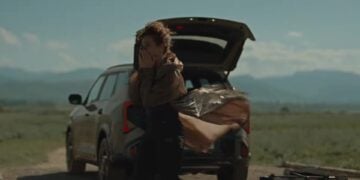
Hyundai’s Hope on Wheels program has spent nearly three decades funding pediatric cancer research with a colorful handprint as its calling card. Little Warrior,” the 70-second hero film uploaded September 9, 2026 to the official HyundaiUSA YouTube channel, is the cinematic centerpiece of the new “Mark of a Warrior” platform. Scarlett Johansson narrates. There is no Hyundai vehicle in the hero spot. That absence is the brief.
The film treats childhood cancer as a battle kids did not choose, then asks the audience to wear the mark with them. It is earnest, polished, and strategically brand-light — which is both its strength and the tension worth probing.
What happens
The execution
A young warrior stands in an arena. Armor, warpaint, a monster. The metaphor is immediate: pediatric cancer as a fight that starts every 36 minutes for another child in the U.S. The sequence shifts into hospital reality treatment, community, the warrior gown — before landing on Hope on Wheels’ long-running mission and a call to join at Hyundaiwarriors.com.
Johansson’s debut as Hyundai’s brand voice keeps the register steady rather than syrupy. The handprint, once a soft awareness badge, is reframed as armor paint. Public materials credit agency of record INNOCEAN USA, director Matthijs van Heijningen through MJZ, and cinematographer Alwin Küchler. Media agency Canvas handled the buys. Additional edit or production-company credits not confirmed in public materials are omitted here.
INNOCEANs decision to keep the car out of the hero cut is the sharpest strategic move. Cause advertising from automakers usually smuggles a grille into the final third. Here the product is deliberately offstage, which forces the spot to earn emotion on story craft alone. Van Heijningens MJZ pedigree shows in the arena-to-hospital hinge: fantasy armor that does not collapse into costume-party kitsch, then a grounded hospital beat that sells the gown program without a brochure montage.
Why it works
Johansson is well cast as a voice, not a face. Her cadence sells gravity without turning Hope on Wheels into a celebrity PSA. The “every 36 minutes” line is the hard fact the film needs; without it, warrior language risks floating as brand poetry. The warrior gowns — inspired, per Hyundai’s CMO comments to Adweek, by a mom who remade hospital wear for her daughter give the metaphor a tactile product for patients rather than only a hashtag for owners.
It works because it refuses the usual CSR soft-sell. No shiny SUV. No smiling dealer handshake. The handprint becomes a fight mark instead of a sticker, and the campaign platform (gowns, badges, Hyundaiwarriors.com, Amazon Stream It Forward donations tied to views) gives the film somewhere to point beyond tears. For Pediatric Cancer Awareness Month and Sunday Night Football inventory, that combination is disciplined.
where it fails
It fails — or at least wobbles — when warrior language risks romanticizing a disease that is not a stadium sport. Kids with cancer are not gladiators by choice; they are patients. The film knows this and still leans on battle iconography because battle iconography travels on broadcast. There is also the structural irony every auto-funded nonprofit film carries: Hope on Wheels is powered by vehicle sales even when the hero cut hides the vehicle. Transparency about that funding model arrives late and lightly compared with the arena spectacle.
DailyCommercials Score: 8.1 / 10 — rare automaker cause film that trusts mission over metal; points off for warrior romance that can flatten the unglamorous truth of treatment.
Would you rather a brand show the car in a cancer film — or leave it out and still take the credit? Say it in the comments.