
A Horror Film Premise for Phone Addiction
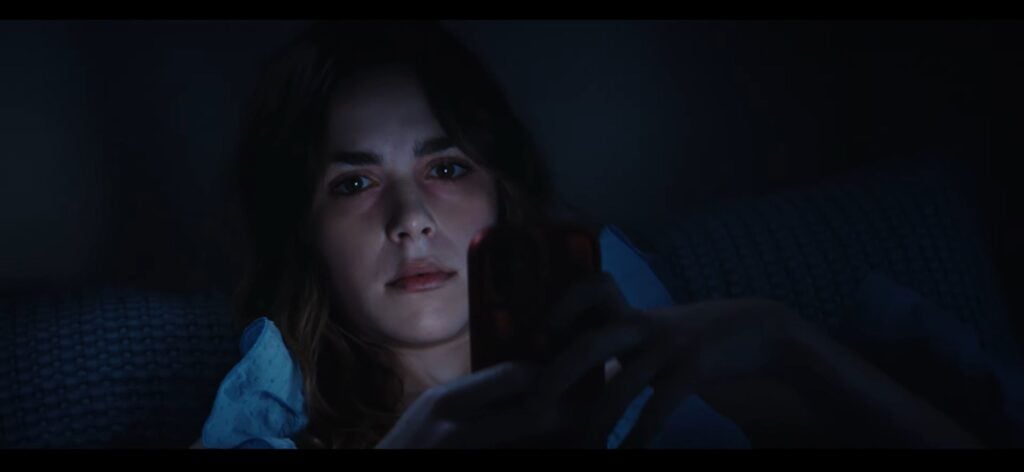
Hatch, the sleep-tech wellness brand, has unleashed a spooky surprise this Halloween season with its new ad “Goodnight, Phone.” In a clever twist on advertising, the campaign is presented as a faux horror movie trailer starring Kiernan Shipka – best known for her roles in Chilling Adventures of Sabrina and other scream-worthy films. The premise turns a very modern habit – late-night doomscrolling on your phone – into the stuff of nightmares. Shipka plays Ava, a young woman who just moved into a new home and finds herself unable to put down her smartphone at bedtime. As the night wears on, her phone’s endless feed of content starts to manifest real-life terrors around her. Think faces lurking in the dark, eerie reflections in the screen, and phantom notifications that won’t let her sleep. By using the structure and aesthetics of a genuine horror trailer, Hatch dramatizes the perils of phone addiction in a way that’s as entertaining as it is cautionary. It’s a wellness message wrapped in genre storytelling – and for a moment, viewers might believe they’re watching the latest horror flick coming to theaters.
Cinematic Execution & Storytelling
What makes “Goodnight, Phone” stand out is its cinematic quality. This is no ordinary 30-second spot with a simple product demo; it’s a 90-second mini-horror film with high production values and narrative depth. Directed by Meredith Alloway, an emerging horror filmmaker, the trailer nails the vibe of a contemporary scary movie. From moody lighting to an unnerving musical score (courtesy of composer Ariel Marx, known for work on Black Mirror), every element builds suspense. Shipka’s performance sells the fear authentically – not surprising given her horror credentials – and the genre tropes are all there: flickering lights, jump scares, and that creeping dread of “just one more swipe” turning into a waking nightmare. The result feels like a trailer for a film you’d actually line up to see. In fact, Hatch intentionally blurs the line between ad and entertainment. We, as viewers, get drawn into Ava’s scary ordeal, only to realize by the end that there’s a practical message (and a product) behind the fright. It’s a bold example of advertising imitating art, using horror storytelling to deliver a PSA about healthier bedtime habits.
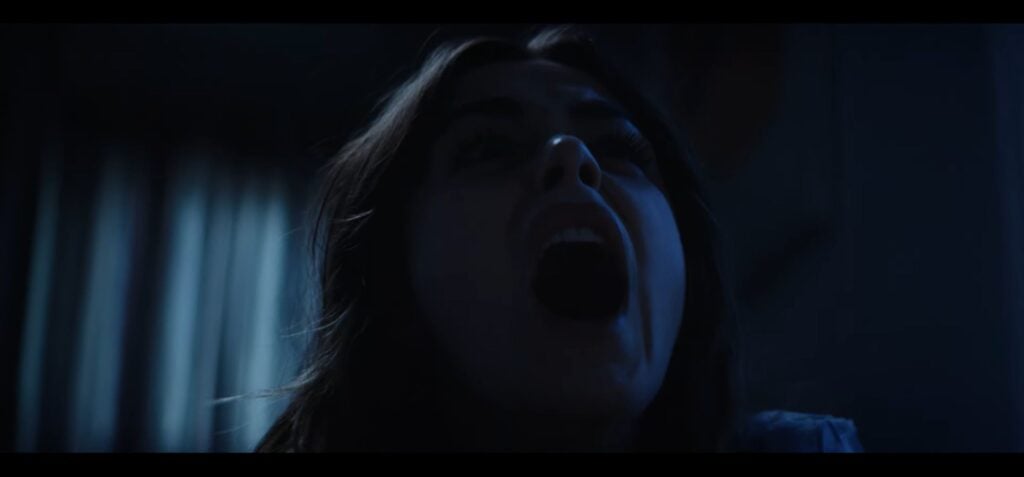
Notably, the Hatch Restore 3 device – the brand’s latest smart sleep gadget – makes a cameo as the “hero” of the story. In the trailer, Ava’s partner (played by Jake Cannavale) peacefully sleeps through the night thanks to the soft glow of his Hatch smart sleep clock on the nightstand. Unlike the possessed phone, the Hatch Restore emits a calm, steady light, remaining unaffected by the digital chaos. It’s a clever bit of visual storytelling: the only thing not under the phone’s sinister spell is the Hatch device, subtly highlighting that a phone-free bedtime routine can be the salvation. By the climax of the trailer, as the horrors reach a peak, the message becomes clear – the real monster keeping us awake isn’t a ghost or demon, it’s our glowing phone screen. And Hatch’s product is positioned as the proverbial cross to banish that vampire.
Campaign Strategy: From Theaters to Screens
Hatch’s campaign strategy for “Goodnight, Phone” shows a lot of ambition for a brand in the sleep-tech space. This isn’t just an online gimmick; the trailer rolled out both online and on the big screen. Starting October 13, 2025, “Goodnight, Phone” began playing as a trailer in select AMC and Cinemark movie theaters, timed perfectly for the Halloween season. Imagine sitting down for a PG-13 or R-rated horror movie in New York or Los Angeles, and you’re presented with a trailer about a woman terrorized by her smartphone – it certainly would catch your attention. By placing this ad in cinemas, Hatch effectively reaches horror fans in the right mindset, making the audience receptive to the spooky tone before revealing the wellness twist. It’s a gutsy media move that blurs the line between a movie promo and an advertisement. Many viewers might not realize it’s an ad until the Hatch Restore device and branding appear, which is exactly the point – to engage first, then deliver the message.
Of course, the campaign extends beyond theaters. Hatch also launched the trailer on YouTube and even created a dedicated microsite to mimic a real movie promotional page. Social media posts (including Instagram and X/Twitter) featured the trailer and behind-the-scenes teases, complete with a tagline warning: “Don’t let your FYP haunt your sleep.” (FYP, or “For You Page,” refers to algorithm-driven content feeds on apps like TikTok, underlining the idea that our personalized feeds can turn on us.) By spreading the campaign across multiple channels, Hatch turned this ad into an event. The brand even got mainstream press attention – outlets like People Magazine and entertainment sites covered the trailer, effectively giving Hatch free publicity that most sleep gadget commercials could only dream of. It’s Hatch’s first major foray into cinematic advertising, and the buzz it generated suggests the gamble paid off in brand awareness.
Another noteworthy aspect is who made it. Rather than hiring an outside ad agency, Hatch produced the campaign in-house with a creative team led by their Executive Creative Director, Rinee Shah. Even more interesting, this team was comprised entirely of women, who clearly brought a fresh perspective to the horror concept. By tapping director Meredith Alloway and talents like Shipka, the in-house crew leveraged authentic horror chops to ensure the final product felt true to the genre. The all-female creative leadership is worth applauding; it’s still relatively uncommon in tech advertising, and here it resulted in a campaign that feels both sharply crafted and culturally resonant. According to Hatch’s team, the idea was to take a familiar media format – the Hollywood trailer – and give it a twist to show “how scarily disruptive phones can be to sleep.” It’s a smart way to reinforce the core mission of the brand (promoting better sleep by reducing screen time) without coming off as a traditional preachy advertisement.
Balancing Fright and Message – Our Take
In true DailyCommercials fashion, we have to ask: Does this horror-movie-as-ad approach truly work? Overall, “Goodnight, Phone” succeeds at being memorable and effective, with style to spare. The concept is instantly relatable – who hasn’t lost track of time at night doomscrolling in bed? – and by exaggerating that scenario into a horror story, the ad hits a nerve (in a good way). The memorability factor is huge: viewers are far more likely to recall a mini horror film than a standard product ad. The entertainment value means people might share it thinking it’s cool or amusing, spreading Hatch’s message organically. From a branding standpoint, Hatch manages to position itself as the solution to a problem we all recognize, without heavy-handed sales pitch. The Hatch Restore device’s benefit (creating a phone-free bedtime routine) is demonstrated rather than told, which is good advertising practice. We also appreciate the commitment to the bit – casting a known actress like Shipka and investing in high-quality production shows Hatch wasn’t just doing a half-hearted social media skit, but truly going cinematic. It blurs the ad/film boundary enough that viewers are intrigued, but it doesn’t stray so far that the product message gets lost. The balance of style and substance here is solid: it’s spooky fun with a healthy point to make.
That said, there are a few caveats to this approach. For one, some viewers might feel a bit tricked – they sat down for a scary movie and got an ad. If not executed skillfully, such blurring could backfire with audiences feeling hoodwinked or rolling their eyes once they realize it’s advertising. In “Goodnight, Phone,” Hatch mitigates this by making the reveal clever and relevant; by the time the logo appears, the audience is in on the joke and the lesson. Another possible drawback is that the horror theme might be seasonal. It’s perfect for Halloween-time buzz, but would this idea be as impactful in, say, March? The novelty could wear off if overused, so it’s wise that Hatch deployed it at a moment when people are primed for spooky content. Additionally, while the trailer is entertaining, the brand must hope that viewers connect the dots: enjoying the mini-film is one thing, but realizing “hey, maybe I should put my phone down and try that Hatch device” is the true goal. There’s always a risk that people remember the story and not the product. However, the final scenes and the campaign’s web call-to-action (essentially inviting you to “take back your sleep” with Restore) work hard to drive the point home. We think Hatch struck a pretty good balance here, integrating the product into the narrative in a way that feels natural.
From a broader perspective, Hatch’s faux trailer joins a growing trend of brands using cinematic storytelling to engage consumers. We’ve seen other companies recently produce short films or fake trailers as ads – it’s a tactic to cut through ad fatigue and make marketing content that’s actually enjoyable on its own. Horror, in particular, has been a popular flavor for these campaigns (perhaps because it elicits such a visceral reaction). In Hatch’s case, the use of horror isn’t just a gimmick; it ties directly into a real social concern (excessive screen time harming our sleep). The ad plays on a genuine anxiety many have – the feeling of being haunted by our phones – which gives it an emotional truth beneath the satire. It’s unsettling and relatable in equal measure, turning a mundane nightly routine into a cautionary tale. In that way, Hatch manages to connect with viewers by saying “we get it, we’re all a bit guilty of this” rather than scolding anyone. By scaring us just enough and then offering a solution, the campaign leaves a memorable impression and a ray of hope (or rather, the soft Hatch nightlight) at the end of the tunnel.
Conclusion
“Goodnight, Phone” is a standout example of how far a creative concept can go in the world of advertising. Hatch took a risk by investing in a mini horror movie about phone addiction, but that risk has translated into a buzzworthy, conversation-starting campaign. The ad is genre-bending and blurs the line between marketing and entertainment – and that’s precisely its strength. It grabs our attention with a fright, then makes us think about our own late-night habits. By the time the lights come up (or the YouTube video ends), we’re not just spooked; we’re considering whether it’s time to say “goodnight” to our phones for the sake of better sleep. In a crowded advertising landscape, Hatch’s approach proves that telling a great story – even a scary one – can shine a light (a gentle, sleep-friendly light) on your product in a way viewers will remember. Verdict: A scary good ad with its heart (and brain) in the right place. Sweet dreams, and don’t forget to put that phone away!


