Dove’s “The Game Is Ours” — A Big Game Ad with a Bigger Mission
In a Super Bowl ad slate packed with dinosaurs, delivery fees, and sitcom pastiches, Dove US took a markedly different path with its 2026 Big Game commercial, “The Game Is Ours.” Rather than sell a product or celebrity spectacle, Dove used its 30-second Super Bowl platform to amplify a social purpose message about girls, confidence, and sports — a creative choice that both distinguishes the brand and reflects broader trends in value-driven advertising.
Message & Creative — More Than an Ad, a Movement
Developed in partnership with agency Ogilvy and directed with real emotional texture, “The Game Is Ours” opens with a stark statistic: one in two girls quit sports after facing criticism about their bodies. That sets the tone for what isn’t just a commercial, but a mini manifesto about reframing how girls experience athletics, shifting focus from appearance to ability.
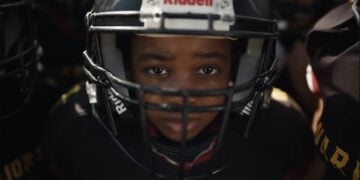
Across the 30-second spot, Dove showcases 90+ young athletes — from swimmers and sprinters to football players — moving, playing, and literally creating rhythm with their bodies in motion. There’s no pop soundtrack or celebrity voice-over; the “score” is made up of sneaker squeaks, gym sounds, and the raw energy of sport. The images build toward the idea that when girls are supported to focus on what their bodies can do, not how they look, the “game” — literal and metaphorical — belongs to them.
That creative choice reflects a trend in purpose advertising: greater authenticity, less gimmick, and a deeper attempt to connect emotionally without relying on nostalgia or antics. In an environment where many Big Game ads chase punchlines or spectacle, Dove’s narrative feels thoughtful and grounded, encouraging a cultural conversation about youth confidence rather than a superficial brand moment.

Strategic Ambition — Purpose Over Product
Unlike most Super Bowl commercials, which exist primarily to sell tangible products — sodas, shoes, tech gadgets — Dove’s value proposition isn’t a physical item; it’s an ideological stance. The commercial dovetails with Dove’s Body Confident Sport program, a real initiative designed with coaching tools to help kids aged 11–17 feel confident in sport, and part of a longer-term brand engagement around body positivity and youth empowerment.
This makes “The Game Is Ours” less a standalone advert and more of an integrated campaign statement, with the Super Bowl serving as a high-visibility launch pad for a year-long social initiative. Strategically, this is Dove leaning hard into brand purpose marketing — aligning its identity with a cultural cause that resonates with parents, educators, and advocates who see sports not just as competition, but as a formative space for confidence.
Cultural Context & Buzz — When Social Issues Hit the Big Game
It’s also significant that Dove’s commercial came during the third consecutive year the brand used the Super Bowl to spotlight empowerment and confidence issues, suggesting this isn’t a one-off stunt but a pillar of long-term communications strategy. Critics and industry observers have taken note of this “movement-driven” approach, as it contrasts with the usual Big Game fare of slapstick humor and spectacle.
However, there’s a balancing act in play. Purpose-driven ads can inflate emotional engagement and positive brand affinity among certain segments, but they can also risk diluting product focus. After all, what most viewers need to remember after a Super Bowl spot is not just the social issue, but which brand was behind the message. In this case, Dove’s commercial risks being admired more for its ethos than its latte-softener or soap products. This tension — between brand clarity and social impact storytelling — is one major creative risk in this campaign.
Critiques & Conversations — Big Game, Big Ideas, Divided Reactions
Industry reactions have largely framed “The Game Is Ours” as one of the more substantive ads of the night — and that’s both praise and a critique. Because the spot lacks traditional humor or celebrity caricature, it didn’t generate as many memes or social shares as some of its more absurd counterparts (like Grubhub’s fee-eating feast or Jeep’s wildcard aesthetic). Instead, its online conversations tended toward social media commentary about representation, youth sports culture, and body positivity.
This isn’t a downside — it simply reflects that not all Big Game ads are built for the same kind of engagement. Some aim for virality and instant quotability; others aim for resonance and long-term alignment with brand values. Dove’s ad is clearly in the latter camp — prioritizing meaningful association over immediate entertainment buzz.
Final Take — A Purpose Play That Also Plays to the Heart
At a cultural moment when many brands are wary of heavy thematic advertising on the Super Bowl stage, Dove’s “The Game Is Ours” stands out for leaning in rather than back. It’s not a spot that makes you laugh out loud, but one that invites reflection — about body image, youth sports, and the societal pressures girls face. It’s a commercial that asks a question rather than tells a joke: whose game is it, anyway?
As an advertising strategy, that’s both a bold cultural claim and a calculated brand investment. It may not earn the most social media likes on game night, but it positions Dove not just as a product maker, but as a voice for confidence and empowerment — a narrative that may outlast even the memory of halftime spectacle.