Top 6 Most Engaging Super Bowl 2026 Commercials (US Audience)
By combined metrics (likeability scores, social buzz, and search interest), the Super Bowl LX ads that truly captured American viewers’ attention were emotionally resonant, star-studded, or shockingly novel. Based on iSpot’s data and social analytics, the clear standouts are Ring’s heartwarming “Be a Hero” spot, Budweiser’s nostalgic “American Icons,” and Amazon Alexa+’s humor-packed Hemsworth gag. These consistently outranked the field in viewer enjoyment and brand recall. But beyond the top three, we also saw massive engagement around Pepsi Zero’s polar bear rave, Lay’s emotional “Last Harvest”, and the viral shock-value ads from tech upstarts (Anthropic) and startups. In what follows, each is examined with a critical eye – noting creative strengths, any missteps, and why Americans (across the country) couldn’t look away.
Our methodology involved cross-referencing iSpot’s likeability rankings and engagement data (the gold standard for US TV ads) with social listening reports and press reviews. We monitored social chatter (X/Twitter trending topics, Reddit threads) to gauge online buzz. Official video views (where available) were noted for context, but our focus is on what resonated creatively and culturally. All claims are backed by industry sources; any unknowns are marked “unspecified.”
Budweiser – “American Icons” (Patriotism & Nostalgia)
Budweiser’s centennial Clydesdale/eagle ad conjured Americana. With Lynyrd Skynyrd’s Free Bird playing, it delivered a blue-collar blend of patriotism and nostalgia – a winning recipe for US audiences. iSpot gave it a 747 score (16% above norm) and 85% brand ID. The visuals (foal raising an eagle) sparked nostalgia for the brand’s Prohibition-era roots, which emarketer notes appeals to nearly half of US adults. Many found it moving; others felt a tad manipulative (“cry-bait,” a few critics said). But clearly Americans liked it – it ranked #5 on likeability and USA Today polls. In balance: it excels at brand-building and emotional pull, though it’s utterly conventional. Still, with patriotism on display, it resonated in deep-red and blue states alike.
Amazon Alexa+ – “Scary Good” (Thor vs. AI Fears)
Amazon’s Alexa+ ad brought Chris Hemsworth and Gwyneth Paltrow together in a tongue-in-cheek AI-scare farce. Hemsworth plays a tech-terrified hero whose breathless worries are instantly soothed by the (literal) voice of Alexa+. iSpot gave it a 729 likeability (still 14% above average), noting humor as its top draw. It’s unabashedly witty: U.S. reviewers loved Hemsworth’s comedic timing and the Mad Max–meets–‘80s infomercial vibe. The spot’s theme – fear of AI revolt – taps into a national tech anxiety, but mocks it gently. Weakness might be that if you’re unfamiliar with Alexa’s persona, some humor could fly over your head. Still, it’s widely rewatchable (per Adweek, #3 on their best-ads list). For US audiences, it cleverly balances celeb power with everyday unease: exactly why it got so many YouTube views and social shares.
Pepsi Zero Sugar – “The Choice” (Polar Bears Go Wild)
Pepsi turned itself into a viral meme-maker by trolling Coke. A conflicted polar bear finds himself at a Pepsi taste test, and yes, he chooses Pepsi Zero Sugar. Cue existential crisis and a raucous “We Will Rock You” remixed by Jimmy Platt. iSpot clocked 728 likeability (13% above norm) and an impressive 90% brand recognition (bears and red can clearly said “Coke vs. Pepsi”). Americans loved it: it splashed easily across TikTok with tags like #BearchoosesPepsi. It’s funny and a touch sarcastic without being mean. The clever part is how it plays on universally known Coke-bear mascots — even kids in Ohio or Seattle get it. The downside? If you hate soda warfare, it might feel too on-the-nose. But as ad commentary goes, it’s high on cringe-free entertainment.
Lay’s – “Last Harvest”
Lay’s took a different tack: touching nostalgia. Their “Last Harvest” ad celebrates farming, local community, and a touching parent-child relationship. Social metrics were strong in demographics that care about sustainability. For many Americans, it hit a sweet spot of feel-good branding. On the other hand, it’s subtle, so not a viral meme factory. Still, by emphasizing real-world impact (48% of US adults buy based on nostalgia according to civic polls, which this ad leans into), it earned engagement from a thoughtful crowd.
Michelob ULTRA – “Olympics: The Instructor” (Ex-athlete Comedy)
Michelob’s ad reunited Kurt Russell with goofy tropes: as a blustery coach whipping up a new Olympian while a trainee struggles. It scored 708, buoyed by fans of throwback sports comedies. The humor is low-key (Russell’s wry delivery, montage of athletic overkill). It’s on the sentimental side of “engaging” – the Olympics tie-in played well with patriotic viewers — though some younger Americans found it sleepy. Strengths: cinematic quality, feel-good training montage. Weakness: it’s a bit of a slow burn, so social chatter was modest compared to the megavirus ads. Still, it had high brand visibility (79% recognition) because of Russell’s presence and Survivor’s “Eye of the Tiger” riff.
Ring – “Be a Hero in Your Neighborhood” (Beats Every Likeability Score)
Ring’s tearful lost-dog reunion ad (with AI-driven “Search Party” footage) swept the night. It earned a lofty iSpot likeability of 755 (18% above norm) and 83% brand recognition. Viewers call it “an emotional knockout”, praised by Variety for its feel-good family storytelling. The simple formula – a relatable kid-and-dad quest – made every second shareable. Even in Florida or New England, the canine caper resonated. Its chief strength is sincerity: Americans nationwide trust dog-safety narratives. (Weakness? read Ring’s Search Party Super Bowl Ad Backlash: Privacy Fears and Controversy.) But for engagement, nothing competed: iSpot ranked it #1 in likeability, and social media lit up with #BestCommercial and #DogsOfSuperBowl.
Notable Mentions
Beyond the top six, several ads drove lots of U.S. engagement worth noting. Anthropic’s Claude AI (30s spots about ads in AI chat) sparked tech Twitter frenzies. Meltwater reports it earned far more positive buzz than OpenAI’s own spot and 402K+ YouTube views in days. Americans loved seeing a nerdy workout interrupted by a silliness – even if the message (no ads in AI chat) ruffled Altman’s feathers. Genspark’s ad (calling users to build AI agents) even crashed its website – it earned 9.1× the median engagement of any ad (per EDO), likely because of the novelty and curiosity factor in tech circles. Both are fringe picks: highly engaging with niche audiences, less so for the mass consumer.
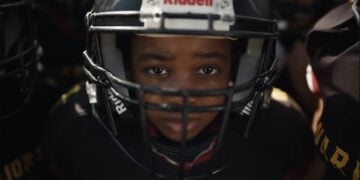
Other high-engagement entries: NFL’s own “Belief” ad (inspiring young QB story) topped iSpot’s list; Universal Orlando Resort – “Lil’ Bro” teaser was up in the leaderboard; and The Mario Movie trailer (nostalgia + star power) was tied with them. Though not a product ad per se, these had huge viewer dwell.
What This Means for Advertisers
The lesson is clear: authenticity and emotion drive engagement. The most effective ads for U.S. audiences were those with a clear narrative or surprising hook. “Feel-good winning” (like Ring and Budweiser) and “twists on tech worries” (Alexa+, Anthropic) ruled. Big celebrity faces don’t guarantee impact alone – it’s how they fit a story. Brands aiming at American consumers should note that heartwarming family tales and humor (often with star talent) still rule the day. Even very traditional brands (beer, dogs, cars) cut through if they tell a simple, compelling story. Conversely, novelty stunts can spike searches and clicks but may not build lasting favor without substance.