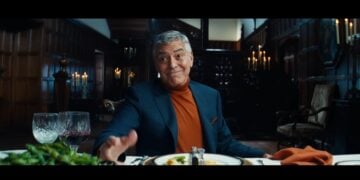
King’s Hawaiian’s new “Did Somebody Say King’s Hawaiian?” campaign gleefully stomps all over the television genres we love to binge. Created by Erich & Kallman (the agency behind many a devilishly funny campaign), these digital shorts parody various over-the-top TV show tropes while putting the brand’s sweet rolls center stage. Each vignette is a pitch-perfect send-up of a familiar show type – say, a Real Housewives-style docuseries or a steamy cowboy drama – until a character utters the word “king.” That’s the cue for a crew member to literally crash the scene, exclaiming the titular line, “Did someone say King’s Hawaiian?”, and professing adoration for the product, hijacking the narrative for a bread-roll plug.
For instance, in the faux-Western skit, a pompous oil baron drawls “When it comes to this county, I am King,” only to be promptly upstaged by someone barging in raving about how their kids “go bonkers for the pretzel bites!”. The dramatic tension of the cowboy showdown instantly deflates into a goofy carb-filled interruption – and that’s exactly the joke. The tonal whiplash is the ad’s secret sauce: building up a serious scenario and then smashing it with absurd enthusiasm for King’s Hawaiian.
One of the campaign’s funniest setups spoofs a reality dating show: instead of offering a rose, the suave Bachelor-esque leading man presents contestants with dandelions – a quirky detail that sets a playful tone even before the King’s Hawaiian interruption hits. Sure enough, mid-confession, someone breaks character to declare their love for those sweet rolls, turning a romantic TV cliché into a bread commercial punchline. This formula repeats across genres (a cheesy rom-com, a high-drama “Realistic Domestic Women” reality show, even a nature documentary), each time contrasting the source material’s seriousness with a delightfully silly product plug.

Creative Direction & Humor
The creative direction leans heavily into meta-comedy and self-aware absurdity. Erich & Kallman’s hallmark humor shines through – they’ve essentially made the product itself a running gag, popping up like an overly eager guest star in each mini-episode. As agency co-founder Eric Kallman explains, “We love the idea that King’s Hawaiian is so good, it hijacks whatever scene it’s in”, treating the rolls and new pretzel bites as the real stars of each spoof. It’s a bold strategy that winks at the audience; we all know it’s an ad, so the campaign doubles down and makes the ad invasion the whole point of the humor. For the viewer, it feels like a Saturday Night Live sketch collided with a Food Network promo – intentionally goofy and not afraid to break the fourth wall.
In terms of tone, the shorts are unabashedly irreverent. The clash between serious TV melodrama and sudden bread cravings generates comedic contrast. One moment you’re engrossed in a familiar TV scenario, the next you’re laughing at a boom mic operator or extra who just had to chime in about fluffy rolls. This campaign gets a lot of mileage out of that collision of worlds. That said, the one-note nature of the gag means the surprise factor diminishes by the second or third time – once you realize every storyline will be hijacked by the King’s Hawaiian fanatic, you start watching for the interruption rather than being caught off guard. In that sense, the humor rides more on recognition (of the pattern and the pop culture references) than on unpredictable punchlines. It’s delightfully silly, but it also risks feeling repetitive if you binge all the shorts at once.
Performance & Casting
The performances commit fully to the bit. The actors initially play their roles dead-straight – whether it’s a posh reality-TV housewife tossing wine or a stoic cowboy squinting into the sunset – which makes the eventual interruption even funnier. By earnestly setting up each scene, the ads maximize the comedic payoff when an out-of-place crew member suddenly pops in, eyes alight with roll obsession. The interrupters deliver their lines (“Did someone say King’s Hawaiian?!”) with an over-the-top zeal that borders on parody of classic infomercials. This tongue-in-cheek overacting sells the absurdity. It feels like the cast and director are in on the joke with the audience, almost winking as they intentionally “ruin” the scene for comedic effect. The tone of those performances says, Yes, we’re ruining this TV show – but aren’t these rolls worth it? The end result is a kind of controlled comedic chaos, anchored by solid timing.
Visual Style & Cues
Visually, each short nails the look of its target genre. The production design deserves credit: the Western segment has all the dusty, warm-toned grandeur of a modern Yellowstone-style drama, while the dating show spoof is bathed in that glossy, rose-petal lighting you’d expect from The Bachelor. Little details – like the replacement of a rose with a humble dandelion – add to the humor and show the makers know the tropes they’re skewering. Similarly, the “Realistic Domestic Women” scenario presumably channels Real Housewives-level glamour and cattiness, and a nature documentary bit might start with serene wildlife footage and a serious narrator. By faithfully recreating these settings, King’s Hawaiian earns laughs when the visual seriousness is punctured by something as mundane as a pack of dinner rolls. The contrast between high production value and low-brow intrusion (someone munching on rolls in the background, perhaps) is visually comedic in itself. The editing is snappy – scenes cut right at the moment of interruption – underscoring the idea that King’s Hawaiian literally steals the scene.
Script & Dialogue
The script is built almost entirely around the titular catchphrase, for better or worse. It’s a one-joke concept (arguably a dad joke at heart), but the writers execute it with self-aware flair. Each genre parody’s dialogue ramps up the cliché and tension until someone says “king” in any context – then the script veers deliberately into ad-speak. The lines the interrupters deliver are shamelessly on-the-nose, like “My kids go bonkers for the pretzel bites!” or effusive praise of “sweet, fluffy” rolls. This obviousness is intentional – by making the product shout-out as blunt and awkward as possible, the ads milk the humor of breaking character. It’s the anti-subtle approach, more in line with a sketch comedy spoof of commercials than the slick, woven-in product mentions we see in typical ads. On one hand, the writing’s singular focus on King’s Hawaiian, King’s Hawaiian, King’s Hawaiian ensures you won’t forget the brand (they practically bludgeon it into your ears). On the other hand, any nuance or message beyond “these rolls are tasty” is sacrificed. The script doesn’t bother with explaining why the characters love the rolls so much – it assumes we either already know, or that sheer enthusiasm will suffice. In a way, the campaign embraces being a glorified jingle: simple, repetitive, and designed to stick. The catchphrase is the message.
Cultural Touchpoints
Part of what makes these spots click is their reliance on shared cultural touchpoints. The campaign assumes viewers are fluent in popular TV genres and ready to laugh at their exaggerations. If you’ve ever rolled your eyes at a contrived reality show catfight or binged a cheesy rom-com, you’re the target here. The “Realistic Domestic Women” short is a tongue-in-cheek nod to the Real Housewives franchise (right down to the hyper-dramatic domestic squabbles), and the dating competition segment screams The Bachelor, complete with its flower ceremony – subverted by the ridiculous dandelions. There’s even a nature documentary parody titled “Nature Doc,” which likely channels the hushed reverence of a BBC Earth special before, presumably, a hungry crew person scares off the wildlife to extol the virtues of bread. By tapping these familiar formats, King’s Hawaiian cleverly positions itself in the viewer’s mind alongside big pop culture icons, if only in jest. However, this approach does mean that the humor lands best for those in on the references. Viewers who somehow have no context for, say, The Bachelor might not fully appreciate the dandelion gag – though even then, the randomness of someone storming a love scene to hawk rolls is absurd enough to elicit a chuckle. In essence, the campaign uses our TV and streaming cultural literacy as the setup, then delivers a punchline that anyone who’s ever been interrupted by an ad can appreciate.
Review
Memorable (85/100): As an advertising hook, “Did somebody say King’s Hawaiian?” is undeniably memorable – it’s a phrase designed to echo in your head. The ads etch the brand name into the dialogue of each scene, so you can’t miss it. The outlandish genre mash-up concept also helps these spots stick; they’re not easily confused with any other bread commercial out there. However, the memorability does hinge on the viewer seeing at least one of the shorts in full. A quick five-second glimpse might just look like a weird Western with an out-of-place line about Hawaiian rolls. But in the age of short attention spans, the campaign’s bold simplicity (hear “King,” think bread) works in its favor. It’s a comedic mnemonic trick that ensures King’s Hawaiian rolls pop to mind the next time you hear someone say “Did somebody say…?” – riffing, perhaps, on that classic fast-food tagline from the ’90s and repurposing it with a wink.
Effective (75/100): Effectiveness is a bit of a double-edged sword here. On one hand, these ads effectively entertain – they make you laugh and pay attention, which is already a win in a cluttered media landscape. By highlighting the sheer love people have for the product (even if exaggerated for laughs), the campaign reinforces the idea that King’s Hawaiian is a beloved, crave-worthy brand. There’s an element of truth in the absurdity: plenty of folks do get excited about those sweet rolls, and the ads celebrate that fandom in hyperbolic fashion. On the other hand, the campaign doesn’t do much educating. If you somehow don’t know what King’s Hawaiian is, these spots won’t tell you beyond “it’s bread and people are obsessed with it.” The advertising of KH bread seems secondary to the gag – an approach that can be risky There’s no clear call-to-action or product feature mentioned (no “baked fresh in Hawaii” or “sweet and fluffy” descriptors beyond maybe a passing comment). It’s pure brand awareness play, not a hard sell. So while the campaign effectively boosts recall and brand personality, it might not immediately drive a specific action like “go buy these rolls now” – unless the viewer is curious enough to find out what all the fuss (within the ad) is about. In sum: effective at grabbing attention and making the brand culturally relevant, less so at delivering concrete reasons to buy beyond everyone’s losing their minds over this bread.
Style (90/100): Stylistically, the campaign is well-crafted. The high production value in parodying different TV genres gives it a polished, credible feel – you can tell real effort went into costumes, sets, and even lighting to mimic each type of show. This commitment to style makes the comedic disruption all the more enjoyable. It’s also a versatile style: by having multiple shorts, the campaign stays visually fresh. Just as you finish laughing at one scenario, the next ad looks completely different (until the inevitable interruption). The direction and editing deserve praise for comedic timing – they let the “fake” show play out just long enough to lull you in, then bam 🥖, comedic intrusion. It’s clear the director understood both the tropes being spoofed and how to subvert them for laughs. The only minor stylistic downside is that, inherently, these ads feel like skits. If someone isn’t a fan of sketch comedy or finds the concept too Monty Python-meets-infomercial, the style won’t convert them. But as far as execution of concept, the style is spot on: loud, proud, and unapologetically zany.
Heart or Humor (80/100): This campaign leans 100% on humor (and 0% on heart). Unlike some food ads that might tug at your heartstrings with family mealtimes or nostalgia, King’s Hawaiian went for straight-up comedic absurdity. The humor is largely successful – the juxtaposition of tones and the sheer randomness of the interruptions spark genuine laughs, especially the first time you see it. It’s a smart dumb joke: smart in concept, dumb in content, which is a tried-and-true formula for memorable ads. The cultural parody element adds an extra layer for those who catch the references, making the humor feel a bit more sophisticated than just pratfalls or slapstick. However, because the humor is so front-and-center, if it doesn’t land for a viewer, there’s nothing else for them to latch onto. There’s no emotional story or useful information as a safety net. Also, by avoiding any sentimental angle, the ads might not create a deep emotional bond with the brand – they’ll make you laugh, but they won’t make you feel (beyond a craving for rolls). In previous campaigns, King’s Hawaiian has played in the wholesome/humorous family space (like those Peyton & Eli Manning “Slider Sunday” ads which had a warm, family fun vibe). This one throws all the heart out the window and replaces it with wackiness. It’s a refreshing change of pace, but it does limit the emotional resonance. Still, as a comedic campaign, it scores high for originality and sheer cheekiness.
Execution (88/100): Overall execution is commendable. The campaign set out to do a very specific, peculiar thing – interrupt TV clichés with bread lust – and it does exactly that across multiple pieces consistently. The idea is executed clearly enough that you “get it” immediately, but with enough variety in each scenario to stay interesting (at least for the first few ads). Technically, the direction, acting, and production quality come together so that each short stands on its own as a mini sketch. The branding is front and center (they literally scream the brand name), so there’s no subtlety issue – King’s Hawaiian definitely gets its share of the spotlight. Importantly, the campaign also extends beyond just online shorts; according to the agency, new TV spots stemming from this theme will roll out in the fall, including tie-ins to football season and the holidays. That indicates confidence in the concept’s legs. It’s a well-coordinated effort as part of the brand’s recent refresh and 75th anniversary – meaning the execution isn’t just in these videos, but in how they fit into King’s Hawaiian’s bigger marketing picture (new logo, packaging, etc., all complemented by a bold new voice). If there’s any knock on execution, it’s perhaps that the ads might benefit from a tad more escalation – as the series goes on, one almost wants the interruptions to get more outrageous (imagine a cowboy literally lassoing a bag of rolls, or the Bachelor host announcing the next date will be at a bakery, etc.). The concept is so fun that it invites even more craziness. But that’s less a flaw and more a wish for how the idea could be stretched. In execution terms, what’s on screen is tight and effective.
Comparison with Other Ads
King’s Hawaiian isn’t the first brand to use humor – or even absurdity – to make food advertising fun, but it’s certainly taking its own unique slice of that pie (or loaf, as it were). In fact, this campaign marks a bit of a departure from the brand’s previous marketing efforts. Past King’s Hawaiian campaigns leaned more on celebrities and situational humor: for example, in 2021 the company teamed up with Food Network star Guy Fieri as its first ever celebrity spokesperson, with a year-long “Everything’s Better Between King’s Hawaiian” campaign focused on building the brand’s sandwich credentials. Those ads were all about Fieri’s over-the-top Flavortown personality elevating the bread – still humorous, but essentially a traditional endorsement approach. Likewise, King’s Hawaiian ran “Slider Sunday” commercials featuring NFL legends Peyton and Eli Manning, bringing a family-friendly, sports-day charm to the brand. Compared to those, “Did Somebody Say King’s Hawaiian?” is a wilder, more concept-driven leap. It ditches the celebs and the cozy family or foodie contexts, and instead places the brand in a kind of mini sketch-comedy universe. This divergence shows King’s Hawaiian isn’t afraid to shake up its recipe: from partnering with famous faces to now letting the rolls themselves steal scenes, the brand is exploring new flavors of advertising. It’s a gamble – not having a likable celebrity or a heartfelt story as a crutch – but it certainly sets this campaign apart from the pack.
Using humor to sell bread, however, is not unprecedented. Across the pond, Britain’s bakery giant Warburtons has famously gone the comedic route by enlisting A-list actors in its ads. In fact, Warburtons’ latest campaign features none other than Samuel L. Jackson furiously defending the superiority of their loaf. In that spot, Jackson brings his trademark intensity – at one point snapping a laptop in half and kicking down a door – all in service of proving that no other bread compares. It’s an over-the-top, movie-like approach, using star power and action humor to make bread exciting. King’s Hawaiian’s approach is equally tongue-in-cheek, though executed differently. Instead of a Hollywood actor playing a role, these shorts have “real” people (within the ads’ universe) breaking character to sing the product’s praises. Both campaigns show a knack for self-awareness: Warburtons literally has Jackson play the part of an enraged company chairman fighting off imitators, while King’s Hawaiian has everyday folks unable to contain their appetite even while on a film set. The big difference is style – one uses an epic narrative and a celeb cameo, the other a recurring comedic device – but both underscore how bread can be advertised with a sense of humor and a wink. For audiences, it’s refreshing to see brands not taking themselves too seriously.
Looking at humorous food campaigns more broadly, there’s evidence that this approach can really pay off. Consider Snickers’ legendary “You’re Not You When You’re Hungry” campaign. That series of ads turned the simple insight of hunger-induced personality change into comedy gold (who can forget Betty White playing football in the inaugural Super Bowl spot?). The result: not only a cultural catchphrase, but a significant spike in sales for Snickers – nearly 16% growth in the first year of that campaign. The takeaway is that marrying a food product with a memorable, funny concept can create marketing magic. King’s Hawaiian seems to be chasing a similar kind of lasting impression. By giving its rolls a fun personality (they’re practically troublemakers that crash scenes), the brand is aiming to embed itself in pop culture chatter in the way Snickers did with its humor. Of course, King’s Hawaiian is a smaller, more niche category than a candy bar, but the principle holds: if you can get people to laugh and remember your tagline, you’re halfway to winning them over.
It’s also worth noting how on-brand this campaign is for Erich & Kallman as an agency. E&K has built a reputation on irreverent, witty advertising. One of its founders, Eric Kallman, helped create Old Spice’s iconic offbeat ads, and the agency’s portfolio is full of playful, tongue-in-cheek work. For example, they recently rolled out a campaign for Take 5 Oil Change that highlighted the absurd brevity of a 10-minute oil change – showing customers so stunned by the quick service that one guy doesn’t even have time to finish his coffee (cue him chugging it and spilling all over himself). They’ve done similarly humorous campaigns for products like boxed wine (Franzia), where they contrasted “smart” choices with hilariously bad ones. In that light, King’s Hawaiian letting E&K run wild with genre parodies makes perfect sense. It fits within E&K’s body of work as a natural extension of their devilish humor. In fact, Kallman’s own words about nothing stealing the spotlight like King’s Hawaiian could just as easily apply to his agency’s philosophy: make the idea so bold and entertaining that it automatically steals the spotlight. This campaign is a textbook Erich & Kallman move – take a straightforward product benefit (people love the taste) and frame it in the most attention-grabbing, comic way imaginable. For King’s Hawaiian, which is celebrating 75 years in business, it’s a modern, perhaps even edgy, spin that aligns with their efforts to refresh the brand for new generations while keeping the core product love intact.
Target Audience
So who is this campaign speaking to? Primarily, it seems aimed at younger audiences – millennials and Gen Z viewers who are fluent in streaming-era pop culture and enjoy a good meme-able joke. By parodying the kinds of shows that trend on social media (reality dramas, dating competitions, etc.), the ads naturally appeal to those who binge Netflix, gossip about The Bachelor, and share SNL clips. The irreverent tone and rapid-fire humor are well-suited to an internet audience that appreciates quick laughs and post-modern winks at the camera. We could easily see these King’s Hawaiian shorts being clipped and shared as funny content in their own right (free exposure for the brand on TikTok or Instagram, for instance).
At the same time, the campaign isn’t so niche that others are left out. Older generations – say Gen X or Boomers – who have watched these TV genres can also get the joke. In fact, since King’s Hawaiian rolls have been around for decades, there’s an embedded nostalgia or affection among families that the brand likely didn’t want to abandon. By choosing humor over edginess, the campaign stays family-friendly and accessible. A parent and teen could both chuckle at these ads for different reasons. The King’s Hawaiian CMO even mentioned that the campaign “connects us to new generations while honouring the brand’s rich heritage”, a nod to the balancing act in play. Indeed, the only people who might be truly left out are those with zero context for any of the genres – but even then, the absurdity of someone interrupting anything to talk about bread has a universal slapstick appeal.
One could argue the target is not segmented by age so much as by mindset: this campaign targets people who don’t mind when an ad is obvious, as long as it’s fun. It’s for viewers who appreciate when a brand joins in the culture conversation with a laugh, rather than delivering a hard sell. In marketing terms, King’s Hawaiian is courting the meme generation – people who might turn “Did somebody say King’s Hawaiian?” into a joking response whenever someone says “king” in everyday life. That’s free advertising via catchphrase, and it plants King’s Hawaiian firmly in the realm of playful, shareable brands. Given the brand’s legacy (often associated with holidays, BBQs, and family gatherings), this is a savvy way to stay relevant: keep the product in those traditional occasions, but also give it a fun persona that pops up in everyday pop culture chatter.
Conclusion
“Did Somebody Say King’s Hawaiian?” is a cheeky, ambitious pivot for a bread brand that could easily have played it safe. Instead, King’s Hawaiian and Erich & Kallman went fully meta, effectively making mini commercials inside fake shows, and in doing so, made us all acutely aware of just how much people adore those fluffy rolls. The campaign succeeds in carving out a distinctive identity – one that says this brand doesn’t mind poking fun at itself (and every cliché in the book) to get a laugh. It’s a move that aligns with a broader trend of advertisers embracing humor and irony to engage viewers, rather than delivering straight product pitches.
On the whole, the campaign lands its punches. It’s hard to watch any of these shorts and not crack a smile at the sheer silliness. They make King’s Hawaiian feel culturally alive – part of a joke you can be in on. The tagline is simple and sticky; I can honestly see myself jokingly parroting “Did somebody say King’s Hawaiian?” next time a friend mentions needing buns for a cookout. That’s the kind of subtle brand embed these ads were going for. By focusing on fun, the brand likely earns goodwill and top-of-mind status. After all, in a crowded snack and bakery market, being the one that made people laugh is a great way to stand out.
There are, of course, trade-offs. The campaign flirts with annoying just as it does with amusing – humor is subjective, and a joke repeated too often can wear thin. If every ad break featured someone shouting about King’s Hawaiian, viewers could tire quickly. The brand will need to gauge public reaction and perhaps evolve the concept (or rotate it wisely) to avoid burnout. Additionally, these ads don’t tell you anything substantive, so competitors could still tout functional benefits (health, recipe ideas, price) that King’s Hawaiian isn’t addressing here. In other words, the brand personality is getting a big boost, but the product must live up to the hype when tried, or the joke could backfire (though given King’s Hawaiian’s enduring popularity, they’re probably safe on that front).
Ultimately, this campaign fits King’s Hawaiian like a glove – or perhaps like a slider fits a sweet roll. It’s fun, it’s a little daring, and it reinforces why the brand has thrived for 75 years: people genuinely love the product. All “Did Somebody Say King’s Hawaiian?” does is amplify that love to comedic extremes. In a world where so much advertising blends into background noise, King’s Hawaiian has folks actively talking about bread and laughing while doing so. That’s no small feat. So while it may not be a campaign that makes you cry happy tears or feel warm and fuzzy, it achieves something just as valuable: it makes you remember and grin – and maybe reach for a King’s Hawaiian roll next time you’re at the store, just for the fun of it.
Pros and Cons of “Did Somebody Say King’s Hawaiian?” Ad
Pros:
- Bold Parody Concept: By sending up popular TV genres and literally breaking the fourth wall, the campaign immediately stands out. It’s an attention-grabber that ensures the brand cannot be mistaken for any other. The creative concept itself – treating King’s Hawaiian as so desirable it stops the show – cleverly highlights the product’s appeal in a memorable way.
- Humor & Pop Culture Appeal: The ads are genuinely funny for most viewers, leveraging familiar cultural touchstones (reality shows, Westerns, rom-coms) for comedic effect. This not only entertains, but invites the audience to be “in on the joke,” fostering a sense of camaraderie with the brand. When a viewer gets a reference, it’s a small rewarding moment that they associate with King’s Hawaiian.
- Strong Brand Recall: The repetitive use of the brand name and catchphrase virtually guarantees viewers will remember King’s Hawaiian. By the end of a spot, you’ve heard “King’s Hawaiian” multiple times in an enthusiastic context. This is classic brand recall strategy wrapped in a joke. Even if you forget the specifics of the skit, that phrase might stick (much like Snickers’ tagline did).
- Fits Brand Refresh Strategy: This campaign injects a fresh, modern personality into a 75-year-old brand. It aligns with King’s Hawaiian’s efforts to update its image (new logo, packaging, etc.) and reach younger generations. The humor makes the brand feel more agile, fun, and shareable, which is a plus in today’s social-media-driven marketing environment.
- Consistent with Agency Strengths: From an industry perspective, King’s Hawaiian is leveraging an agency (E&K) that excels at humor. The campaign benefits from that expertise – the comedic timing, concept, and writing play to E&K’s strengths and it shows. For fans of other E&K work, this campaign reinforces King’s Hawaiian as a brand with a similar creative caliber, which can elevate its prestige in the advertising world.
Cons:
- Repetitive Gag: The entire campaign hinges on one joke told in slightly different ways. For some, it might become predictable or tiresome after seeing a couple of iterations. The first time, it’s a surprise; the fourth time, a viewer might roll their eyes, saying “Alright, I get it – everyone’s obsessed with the bread.” Keeping the humor feeling fresh will be an ongoing challenge if the campaign continues with many more ads.
- Product Secondary to Humor: While the ads hammer the brand name, they tell us very little about the product itself. If you aren’t already familiar with King’s Hawaiian rolls, you won’t learn much beyond “people like them.” The actual selling points – taste, texture, versatility – are merely implied or left to the imagination. In the Guy Fieri campaign, for example, there was a clearer message about using the rolls in sandwiches (i.e. product application). Here, the selling message is basically “bread so good it causes interruptions,” which is fun but not informative. The risk is some viewers might chuckle at the ad but not connect it to a concrete reason to purchase.
- Niche Reference Risk: The parody nature means the ads are funniest when you recognize the trope being spoofed. If someone has never watched a reality show or could care less about Western dramas, a bit of the comedic impact may be lost. The ads still have absurdism to fall back on, but they’re definitely funnier with context. In that sense, the campaign targets a culturally-aware viewer; if you’re outside that bubble, you might just find it odd rather than hilarious.
- No Emotional Hook: By design, these spots forego any emotional or heartfelt angle. They don’t show families enjoying meals, friends coming together, or any of the warm-fuzzy scenes common in food advertising. While not every ad needs that, the lack of an emotional component means the ads rely 100% on humor to create affinity. If a viewer isn’t amused, there’s no other resonance to be had. Some competitors might capitalize on this by positioning their bread with comfort, tradition, or health – areas this campaign doesn’t touch at all.
- Potential Overexposure: The catchphrase approach walks a fine line – it can ingrain your brand in pop culture, but it can also become fodder for annoyance (think of overplayed jingles or slogans that turn into cliches). If “Did somebody say King’s Hawaiian?” gets overused or spoofed negatively, it could backfire. The brand will need to keep a finger on the pulse of public reaction. For now it’s fresh, but there’s always a risk that today’s funny meme is tomorrow’s old news.
Despite these caveats, King’s Hawaiian’s “Did Somebody Say King’s Hawaiian?” campaign deserves credit for its creative audacity. It’s a confident swing at making an old favorite feel new and exciting through humor. In a marketplace where consumers are bombarded with bland ads, this one dares to be different – and mostly succeeds, with a lot of laughter along the way.